Introduction: The New Reality of Industrial Safety Training
As manufacturing plants become smarter, faster, and more automated under Industry 4.0, workplace risk has evolved significantly. High-value industries such as steel, energy, chemicals, automotive, and heavy engineering operate in environments where even a single human error can lead to serious injuries, production losses, or regulatory penalties.
Traditional OHS training in manufacturing—based on classroom sessions, presentations, and videos—has not kept pace with these complex environments. While compliance requirements may be met, real-world preparedness often remains inadequate.
This is where XR safety training (Virtual Reality, Augmented Reality, and Mixed Reality) is transforming how safety training is delivered across India, the USA, and Australia.
Why Traditional OHS Training Falls Short
Most conventional safety training models face critical limitations:
Lack of Realism
Workers rarely experience real-world hazards before entering high-risk environments.
Low Knowledge Retention
Passive learning methods result in poor long-term recall, especially in safety-critical situations.
No Muscle Memory Development
Classroom-based training does not build reflexive decision-making required in emergencies.
Operational Disruptions
Live drills often require plant shutdowns, which are expensive and impractical.
As a result, many manufacturing organizations struggle to translate knowledge into safe on-ground behavior.
How XR Redefines OHS Training in Manufacturing
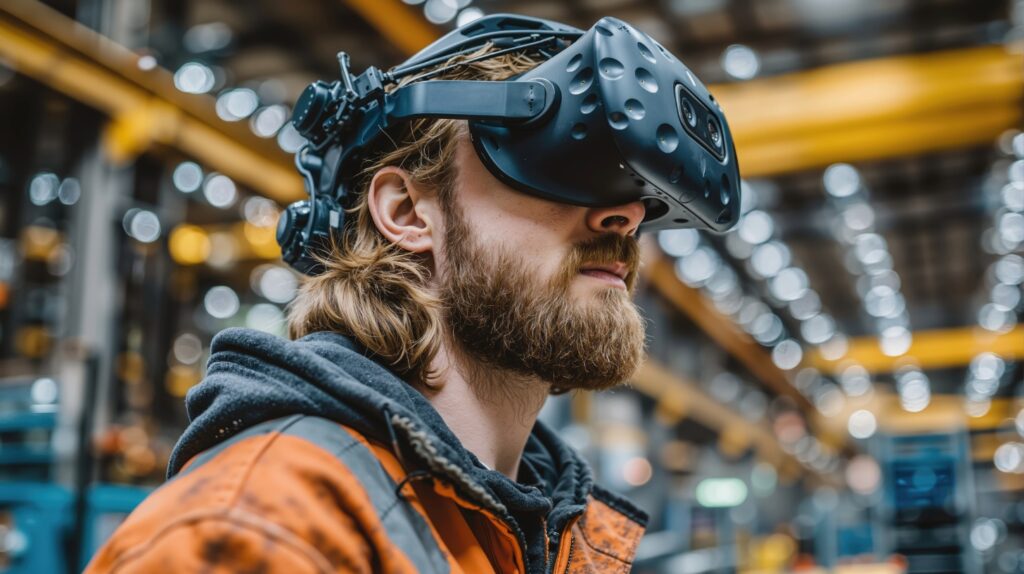
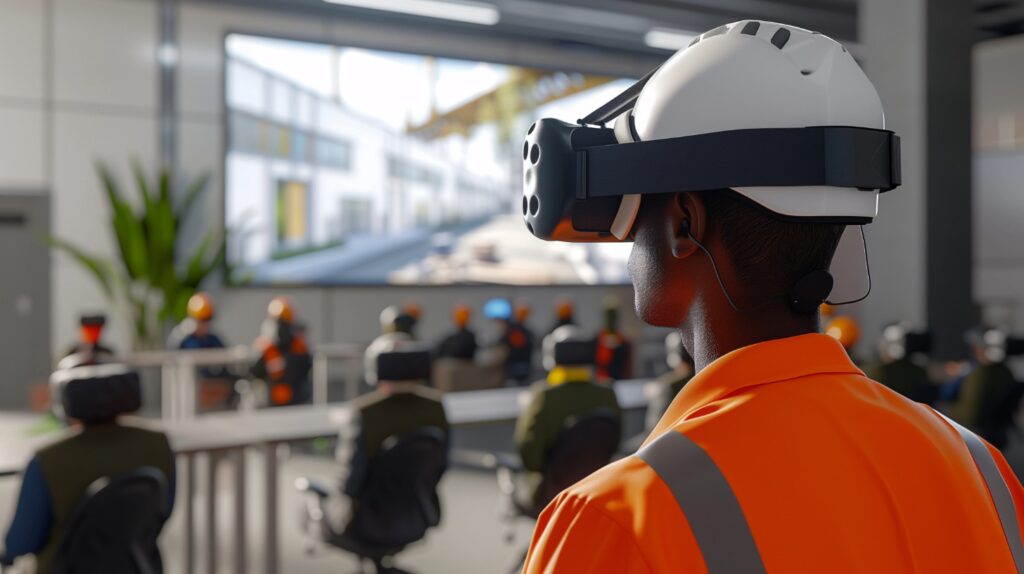
XR-based training creates immersive, interactive, and risk-free simulations of industrial environments.
With virtual reality industrial training, workers can:
Experience real-world industrial scenarios in a safe environment
Practice emergency responses such as fire, chemical leaks, or equipment failure
Make decisions in real time and learn from outcomes
Repeat training until competency is achieved
This approach shifts learning from “knowing” to “doing”, which is critical in high-risk industries.
Dorado partners with manufacturing enterprises in India, the USA, andEurope, providing scalable and effective training solutions. The company is now expanding its reach into the APAC market by initiating operations in Australia.
Conclusion: The Future of Safety Training is Immersive
As manufacturing evolves, workforce readiness becomes critical. XR-based OHS training offers a scalable, safe, and highly effective method to prepare workers for real-world risks.
Organizations investing in immersive learning today will build:
Safer workplaces
Stronger compliance cultures
More efficient operations
Better resource utilization
Explore XR Training for Your Plant
Want to transform safety training in your organization?
Connect with Dorado Learning to explore AI-enabled LMS, eLearning and XR-based training solutions tailored for your plant.
Imagine your learners navigating a real-life negotiation with a tough client, defusing a frustrated customer’s complaint, or leading a team performance review—all before they’ve even set foot in a real-world scenario. Welcome to the future of eLearning, where AI-powered bots transform static courses into interactive, intelligent, and impactful experiences.
At Dorado Learning, we’re not just building courses—we’re building simulations that think, respond, and adapt. Powered by AI, our learning bots enable learners to practice job-specific conversations, receive instant feedback, and build confidence in a safe, controlled environment.
Let’s take a closer look at how AI bots are reshaping eLearning, why this matters for your training strategy, and what it means for learner engagement and business outcomes.
From Passive to Proactive: The Shift in eLearning
Traditional eLearning courses, even when well-designed, often rely on one-way delivery of information—text, slides, and linear videos. While effective for knowledge transfer, they lack the human element critical to building skills like leadership, negotiation, or emotional intelligence.
That’s where AI-powered role-play bots change the game.
With conversational AI embedded into your training, learners aren’t just reading—they’re doing. They’re speaking, making decisions, handling consequences, and reflecting—all within a structured yet responsive learning experience.
What Are AI-Powered Role-Play Bots?
Think of an AI bot as a virtual training partner built into your eLearning course. These bots simulate real people—be it a customer, colleague, team member, or stakeholder—and interact dynamically based on the learner’s input.
Here’s what they do:
Simulate Job-Specific Conversations
Whether it’s a sales call, a feedback session, or a crisis management dialogue, the bot plays a realistic character, complete with voice, tone, body language (in XR), and context.
Adapt to Learner Responses
AI bots are built using natural language processing (NLP) and decision-tree logic, allowing them to respond differently based on what the learner says or types. This creates an environment that feels authentic and unscripted.
Provide Real-Time, Intelligent Feedback
Post-conversation, learners receive AI-generated feedback highlighting what went well, what could be improved, and even tips on communication style, empathy, and clarity.
Why This Works: Data-Backed Impact
Smart learning is not just a buzzword—it’s delivering measurable results. Here are some eye-opening stats:
70% of employees forget what they learned in training within a week (Harvard Business Review). Active simulations help combat this by reinforcing learning through experience.
Interactive learning leads to a 90% knowledge retention rate, compared to 5% from reading alone (National Training Laboratories).
Companies using AI in training report up to 50% faster onboarding and 30% improvement in soft skills (IBM Talent & Transformation study).
A Dorado Learning pilot program using AI bots for role-play training saw a 3x increase in learner engagement and a 40% improvement in assessment scores within two weeks.
Real Use Cases: Where AI Bots Excel
Let’s look at how organizations are using AI bots to enrich specific types of training:
Customer Service Training
Simulate tough customer conversations where tone and empathy matter. Learners get to practice handling objections, de-escalating conflict, and offering solutions—all with realistic voice-based feedback.
Leadership Development
Teach new managers how to lead performance reviews, provide constructive feedback, or navigate difficult team dynamics using adaptive AI role-play.
Sales Enablement
Help sales reps sharpen their pitch, handle tricky objections, and close deals in realistic role-plays with a bot that mimics challenging prospects.
Diversity & Inclusion
Provide learners with the chance to practice respectful communication and explore biases in a safe, private environment with bots trained on inclusive dialogue patterns.
How It Works: Behind the Scenes at Dorado Learning
We combine instructional design with cutting-edge AI technology to bring these bots to life:
Scenario Design
Each AI simulation begins with an instructional blueprint. We work with your SMEs to define key learning outcomes, emotional triggers, and decision branches.
Conversational AI Engine
Using NLP frameworks like Dialogflow, Rasa, or custom LLM integrations, we build bots that understand intent and adapt dialogue dynamically.
Integrated Feedback Layer
We integrate feedback engines that analyze learner choices and provide constructive, contextual insights—sometimes even comparing responses with best practices.
Platform Compatibility
Our AI bots can be embedded directly into SCORM/xAPI packages, LMS platforms, or extended into AR/VR environments using Unity and WebXR.
The Learner Experience: What It Feels Like
Instead of passively clicking “Next,” learners now:
Choose their response in a simulated dialogue
Hear the bot respond with emotion and context
Experience branching consequences (positive or negative)
Receive real-time, personalized feedback
Retry and improve in a no-risk environment
It’s not just learning—it’s practicing real-world readiness.
Seamless Integration with Your Training Ecosystem
You don’t need to overhaul your LMS or retrain your L&D team. Our AI-enhanced simulations can:
Plug into existing SCORM/xAPI courses
Be hosted on your current LMS or LXP
Be accessed via mobile, desktop, or XR headset
Support multilingual training with NLP translation
The Business Case: Why You Should Invest
Aside from better learning outcomes, AI-powered eLearning delivers clear ROI:
Reduces classroom training costs by up to 60%
Shortens onboarding time
Minimizes risk of real-world errors
Increases employee confidence and retention
In a skills-driven, fast-changing world, static learning is no longer enough. Your teams need safe places to fail, reflect, and grow. AI bots provide exactly that—at scale.
Ready to Upgrade?
At Dorado Learning, we specialize in creating immersive, AI-integrated eLearning journeys that go beyond content delivery. We help you train people to act, lead, sell, and solve—confidently and competently.
Whether you’re training future leaders or customer heroes, our smart bots ensure your learners aren’t just watching—they’re doing.
In the post-AI era, humans remain pivotal in shaping training programs. While AI streamlines development, human touch ensures empathy, interactivity, and personalized learning. Together, they create smarter courses for dynamic educational experiences.
I am sharing an informative article by Saurabh Sarin (Partner, Dorado Learning LLC)
Artificial Intelligence (AI) has or will shortly impact every aspect of our life. Training and Development is no different. There was a time when it used to take days of not weeks to develop a training program. Lot of focus was given to audience, content, interactivity, and flow of training. Feedback cycles were completed before rolling out the training.
AI has significantly transformed the landscape of training and development, offering innovative solutions to enhance learning outcomes. While AI has expedited the content collection and development process, we can still leverage the power of AI to me make courses “SMARTER”. For example, AI can develop:
Personalized Learning Paths: AI analyzes data on learners’ performance, preferences, and progress to create tailor-made content and exercises ensuring each leaner receives a unique and targeted learning experience.
Adaptive Learning Platforms: AI-driven platforms continuously assess learners’ capabilities and dynamically adjust content based on their progress. This helps individualize the training platform.
Intelligent Content Curation: AI excels at content curation by sifting through vast amounts of information to identify relevant and high-quality resources. This helps in saving time and effort.
Gamification and Immersive Experiences: AI-driven gamification injects fun and competition into learning. It adjusts difficulty levels based on learners’ performance. AI facilitates virtual reality (VR) and augmented reality (AR) (Dorado Learning is proud to be pioneering in these technologies).
Predictive Analytics for Skill Gaps: AI helps identify and address skill gaps proactively. Analyzing loads of employee data and feeding into training design creates a training program that helps develop future skills. (Dorado Learning is at the forefront of using AI analytics to design and develop role and skill-based training).
Continuous Learning and Micro-learning: AI supports continuous learning by recommending relevant content and breaking it down into bite-sized micro-learning modules.
Dorado learning has created over 1000 hours of micro learning for various customers across the globe. Incorporating AI into training and development empowers professionals to create more efficient, personalized, and impactful learning experiences.
Contact us at contact@doradolearning.com for more information.
In recent years, the integration of Extended Reality (XR) technologies in various industries has garnered significant attention due to its potential to revolutionize traditional processes and enhance efficiency. One such sector where XR technologies are making a profound impact is the automation industry. XR, which encompasses Virtual Reality (VR), Augmented Reality (AR), and Mixed Reality (MR), offers immersive and interactive experiences that can streamline operations, improve training methodologies, and optimize maintenance procedures within the automation sector.
Understanding XR Technologies
Before delving into the specific applications within the automation industry, it’s crucial to grasp the distinct features and capabilities of XR technologies.
Virtual Reality (VR): VR creates a simulated environment that immerses users in a digital world, typically through the use of VR headsets such as HTC Vive and Oculus. Users can interact with and manipulate with the “digital twins” within this virtual space.
Augmented Reality (AR): AR overlays digital information onto the real world, enhancing the user’s perception of their environment. AR technology is often deployed through smartphone applications or wearable devices like smart glasses.
Mixed Reality (MR): MR blends elements of both VR and AR, allowing digital objects to interact with the physical environment in real-time. This technology enables seamless integration of virtual and real-world elements.
Applications of XR in the Automation Industry
Training and Simulation:
XR technologies offer immersive training simulations that replicate real-world scenarios encountered in the automation industry. Trainees can practice operating complex machinery and equipment in a safe and controlled virtual environment, minimizing the risk of accidents and equipment damage.
VR simulations enable hands-on learning experiences where trainees can interact with virtual replicas, also known as “the digital twins” of automation systems, learning about their functionalities and troubleshooting procedures in a risk-free setting.
AR-based training applications provide on-the-job guidance by overlaying step-by-step instructions or relevant information onto physical machinery, facilitating faster learning and reducing training time.
Remote Assistance and Maintenance:
AR technology allows remote experts to provide real-time guidance and support to on-site technicians during maintenance and repair tasks. Using AR-enabled smart glasses or mobile devices, technicians can receive visual annotations and instructions overlaid onto their field of view, enhancing troubleshooting efficiency.
MR systems enable collaborative maintenance tasks where remote experts and on-site technicians can interact with virtual representations of equipment overlaid onto the physical workspace. This collaborative environment facilitates knowledge sharing and problem-solving in real-time.
Design and Prototyping:
VR technology facilitates virtual prototyping of automation systems, allowing engineers and designers to visualize and iterate on designs before physical construction. VR simulations provide insights into spatial relationships, ergonomics, and potential design flaws, leading to more efficient development cycles and cost savings.
AR-based design tools enable engineers to overlay digital prototypes onto physical environments, allowing for better visualization of how automation systems will interact with existing infrastructure. This integration of digital and physical elements enhances design accuracy and facilitates communication between stakeholders.
Remote Monitoring and Control:
XR technologies enable remote monitoring and control of automation processes from anywhere in the world. VR interfaces provide immersive dashboards and visualizations of real-time data, allowing operators to monitor production metrics, identify anomalies, and make informed decisions.
AR applications can overlay contextual information onto physical machinery, such as performance metrics, maintenance schedules, and operating parameters. This augmented information enhances situational awareness and enables operators to optimize processes in real-time.
Challenges and Considerations
While XR technologies offer numerous benefits to the automation industry, several challenges and considerations must be addressed for successful implementation:
Cost and Infrastructure: Investing in XR solutions entails costs associated with acquiring hardware, software, and infrastructure. While the extent of investment may fluctuate depending on the available gadgets in the market, the Return on Investment (RoI) guarantees long-term training advantages.
Integration with Existing Systems: Integrating XR technologies with existing automation systems and workflows requires careful planning and customization to ensure compatibility and seamless operation.
Data Security and Privacy: XR applications may involve the collection and transmission of sensitive data, raising concerns about data security and privacy. Implementing robust cybersecurity measures is essential to safeguard sensitive information.
User Training and Adoption: Effective utilization of XR technologies necessitates proper training and familiarization with the new tools and interfaces. Organizations must invest in comprehensive training programs to ensure user proficiency and adoption.
Regulatory Compliance: Compliance with industry regulations and standards is paramount when implementing XR solutions in the automation sector. Organizations must ensure that XR applications meet regulatory requirements and adhere to safety protocols.
Conclusion
In conclusion, the utilization of XR technologies in the automation industry holds immense potential to revolutionize processes, enhance productivity, and improve overall operational efficiency. From immersive training simulations to remote maintenance assistance and collaborative design, XR technologies offer a myriad of applications that can transform traditional practices and drive innovation in the automation sector. Despite challenges such as cost, integration complexities, and data security concerns, the benefits of implementing XR solutions outweigh the obstacles, paving the way for a future where automation processes are more streamlined, agile, and intelligent. As organizations continue to embrace XR technologies, they will undoubtedly unlock new opportunities for growth, competitiveness, and value creation in the dynamic landscape of the automation industry.
How Dorado Learning XR team can help your enterprise to implement XR technologies
Dorado Learning XR team can facilitate the seamless integration of XR technologies into your enterprise. From tailored XR solutions to expert consultation, we offer comprehensive support to optimize your implementation process. Harness the power of immersive experiences for training, maintenance, and design, enhancing productivity and innovation across your organization. Partner with Dorado to unlock the full potential of XR technologies and propel your enterprise into the future. Email us at contact@doradolearning.com, vin@doradolearning.com (Vineet Saxena, CEO)
Integrating VR and AR into executive coaching transforms leadership development, empowering clients to achieve their full potential. Dorado Learning leverages its expertise in immersive technologies and global experience to deliver optimal solutions for client challenges.
I am sharing an informative article by Danny Ang (Partner, Dorado Learning Australia Pty. Ltd.)
Dorado Learning works with a whole range of industries. Introducing immersive technologies such as virtual reality (VR) and augmented reality (AR) technologies to executive training has changed how coaches interact with their clients. These state-of-the-art tools provide coaches with a dynamic and engaging platform for enhancing the clients’ experience and fostering professional development and growth.
Virtual Reality (VR) in Executive Training: VR technology enables coaches to create simulated environments that are real-world scenarios and allows clients to practice decision-making, communication skills, and leadership strategies in a risk-free environment. Give their feedback, analyze answers, and tailor training strategies to individual needs.
Augmented Reality (AR) in Executive Training: AR technology overlays digital content in a physical environment, enabling coaches to provide real-time guidance and support during training sessions. Coaches can use AR to highlight important concepts, visualize data, and facilitate interactive discussions, creating a more engaging and interactive training experience for clients.
There are many benefits of VR and AR in executive coaching.
For example:
Enhanced Learning Experiences: VR and AR technologies provide engaging and interactive learning experiences that connect with clients and provide a deeper understanding of leadership concepts and behavioral processes.
Personal Feedback: Coaches can deliver targeted feedback based on real-time observations in virtual scenarios, allowing clients to make immediate changes and improvements in their leadership style.
Behavioral Analysis: VR and AR devices enable coaches to analyze nonverbal cues, decision-making processes, and communication styles, providing valuable insights into client behavior and performance.
Cost-effective training: By using VR and AR technology, coaches can deliver high-quality training remotely, reducing travel costs and logistical challenges associated with personalized training.
Enhanced interactivity: The interactive nature of VR and AR experiences captures clients’ attention, leading to increased engagement and participation in training sessions.
Conclusion: Integrating virtual and augmented reality technologies into executive coaching practices provides a transformative approach to leadership development. These new tools enhance training and empower clients to reach their full capabilities and achieve performance success. As the training environment evolves, adopting VR and AR technologies can improve training outcomes and provide lasting improvements for instructors and clients.
Dorado Learning specializes in immersive technologies having worked with global companies across multiple industries. We continue to stay in step with new and emerging technology to provide our clients the best solutions for their challenges.Executive
Fortifying Extended Reality: Ensuring 100% Security in XR Solutions for Enterprises and Federal Entities
Extended Reality (XR), an umbrella term encompassing Virtual Reality (VR), Augmented Reality (AR), and Mixed Reality (MR), is revolutionizing industries across the globe. From training simulations to immersive collaboration, XR is making a significant impact on enterprises, healthcare, education, and even federal agencies. However, as the adoption of XR accelerates, so do concerns around data security, privacy, and regulatory compliance. Ensuring that XR environments are 100% secure is paramount to protect sensitive information, especially when these technologies are being used by either federal entities, corporates or enterprises.
Security Challenges in XR Environments
While XR offers transformative benefits, it also introduces unique security risks, including:
1. Data Privacy & Protection
XR applications collect a vast amount of data, including user movements, biometric details, and geolocation. This data, if compromised, can lead to severe privacy breaches.
2. Cybersecurity Threats
Like any digital technology, XR systems are vulnerable to cyberattacks, including malware, phishing, and unauthorized access to XR environments.
3. Identity & Access Management (IAM)
Ensuring that only authorized users access XR systems is crucial, especially in corporate and government applications.
4. Regulatory Compliance
Enterprises and government agencies must adhere to strict compliance standards such as GDPR, HIPAA, FedRAMP, and NIST to ensure data protection and privacy.
Regulatory Compliance in XR
For industries leveraging XR, ensuring compliance with regulatory frameworks is a non-negotiable aspect of security. Below are some key regulations impacting XR security:
General Data Protection Regulation (GDPR)
Organizations operating in or dealing with the European Union must comply with GDPR, ensuring user data privacy and transparency in data handling.
Health Insurance Portability and Accountability Act (HIPAA)
For XR applications in healthcare, compliance with HIPAA regulations ensures that patient data remains confidential and secure.
Federal Risk and Authorization Management Program (FedRAMP)
Federal agencies in the U.S. must comply with FedRAMP standards, which establish stringent security controls for cloud-based applications, including XR solutions.
National Institute of Standards and Technology (NIST) Guidelines
NIST provides a cybersecurity framework that helps organizations secure their XR environments by defining best practices and risk management procedures.
How Dorado XR Ensures Security in Immersive Solutions
Dorado XR, a leading immersive technology company, specializes in developing secure and compliant XR solutions for enterprises and government agencies. Here’s how Dorado XR ensures that your XR implementation remains 100% secure:
1. End-to-End Encryption
Dorado XR integrates state-of-the-art encryption protocols to protect data at rest and in transit, ensuring that sensitive information is safeguarded from unauthorized access.
2. Identity & Access Management
Dorado XR employs advanced authentication methods, such as multi-factor authentication (MFA) and biometric verification, to ensure that only authorized personnel can access XR environments.
3. Compliance-Ready Solutions
All XR solutions developed by Dorado XR adhere to industry-specific regulations such as GDPR, HIPAA, and FedRAMP. This ensures that enterprises and federal agencies meet compliance requirements effortlessly.
4. Secure Cloud & On-Premise Deployments
Dorado XR offers both cloud-based and on-premise deployment options, allowing organizations to choose the most secure infrastructure based on their security policies.
5. Real-Time Threat Monitoring
By integrating AI-driven security tools, Dorado XR provides real-time threat monitoring, identifying and mitigating potential risks before they become critical security threats.
Why Choose Dorado XR for Your Secure XR Implementation?
Tailored Security Strategies
Dorado XR works closely with enterprises and federal agencies to design security strategies that align with their specific requirements.
Expertise in Federal & Enterprise Security
With experience in deploying XR solutions for sensitive industries, Dorado XR understands the importance of security-first approaches.
Scalability & Flexibility
Whether you need a small-scale secure training module or a full-scale XR enterprise solution, Dorado XR offers scalable solutions tailored to your needs.
Ongoing Security Updates
Security threats evolve, and so do security measures. Dorado XR ensures that your XR environment receives regular updates to counter emerging threats.
Conclusion
As XR adoption expands across industries, ensuring robust security measures is essential. Enterprises and federal entities leveraging XR for critical operations must implement strong encryption, access control, and compliance adherence. Dorado XR is at the forefront of secure XR development, helping organizations design and deploy immersive solutions without compromising data security.
If your organization is considering XR implementation and wants a secure, compliant, and innovative solution, Dorado XR is your trusted partner.
Subscribe to our newsletter today!
Don’t miss out on the latest in Immersive Technologies and gadget reviews



 Business Impact of XR-Based OHS Training